Webflow: A Practical Guide to Creating Websites Without Code
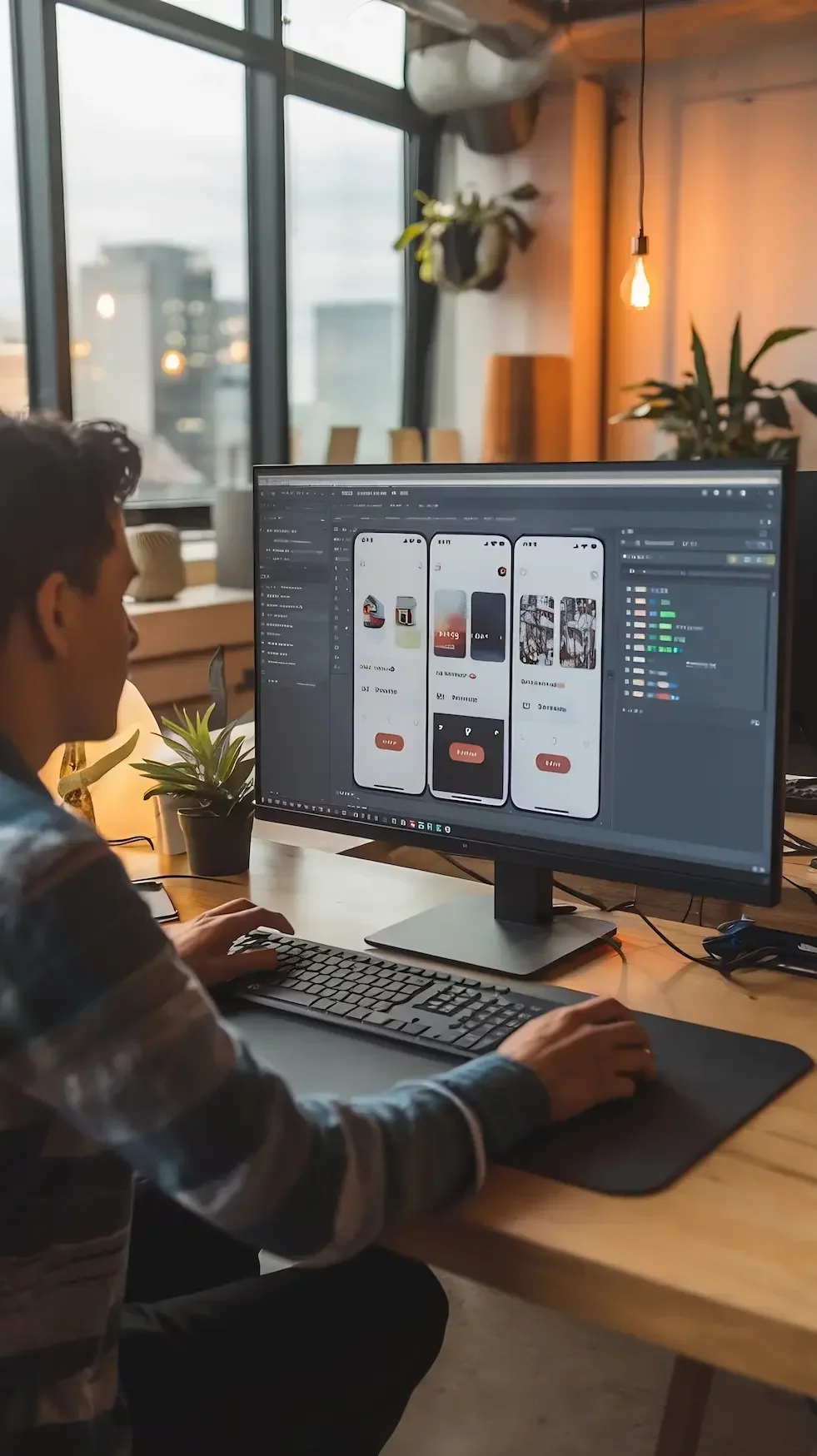

The digital universe has changed our relationship with website building. Today, it is possible to create sophisticated websites without a single line of code, and this is where platforms such as Webflow stand out for innovative companies. In our experience at RMD Soluções Digitais, we recognize the power of this type of solution to create impactful digital experiences, combining strategy and design in just a few clicks.
Why does Webflow stand out in the no-code world?
Webflow is a platform that allows you to create websites visually, without relying on programmers for every adjustment. This means agility. Companies that want to accelerate their digital presence, create landing pages for campaigns, or design personalized experiences can now do all of this with more control.
The difference lies in the balance: refined design, freedom of customization, and a total focus on performance. Responsive, fast-loading websites are no longer a luxury but have become the standard, something we always recommend in our projects at RMD.
Build, adjust, publish. It's that simple.
Key features of Webflow in practice
The experience of using the tool involves features that optimize the creative and functional process:
Visual editor: build layouts from scratch or with templates, viewing everything in real time.
Smart landing pages: create pages for campaigns and tests without hiring a developer for every detail.
Uncomplicated animations: add transitions and effects that enhance usability.
Various integrations: connect forms, CRM, marketing automations, and more.
Fast and secure hosting with robust infrastructure.
When experimenting with different features, we noticed how much freedom marketing and design teams gain. Creative control is in the hands of those who understand the user journey, a point that greatly differentiates this platform from traditional methods.
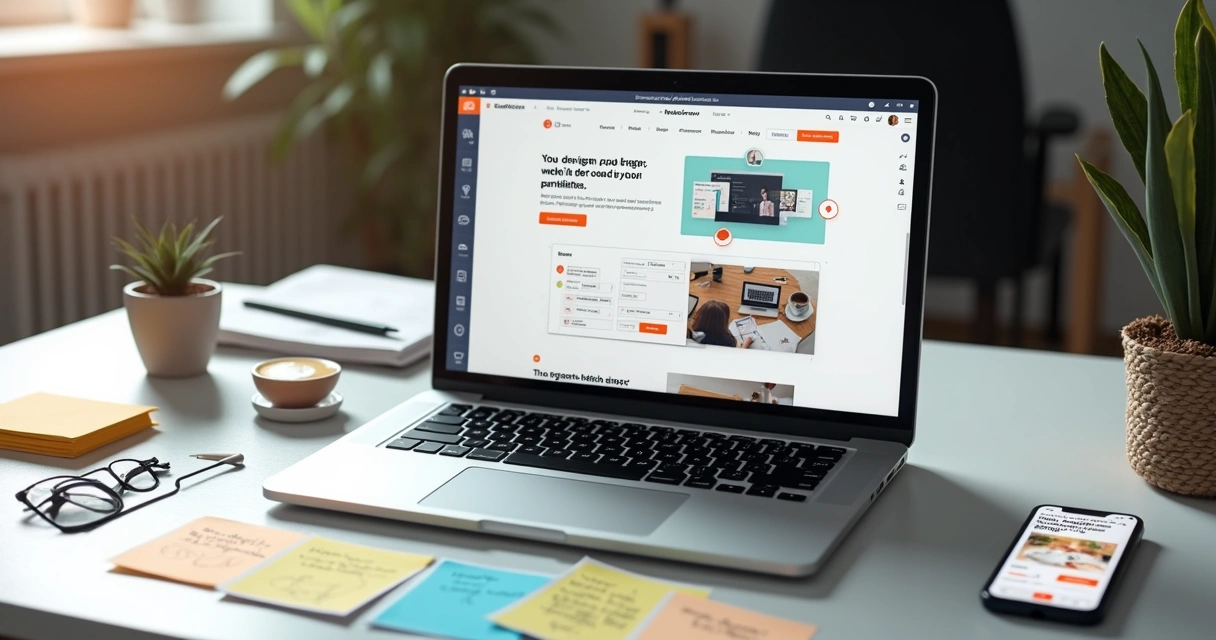
Webflow or traditional platforms?
Many of our clients come to RMD with frustrating experiences with rigid systems. That's why we emphasize:
Real flexibility: Modify each visual element as your strategy evolves.
Manageable content: Marketing teams publish, edit, and test without intermediaries.
Quick updates: New pages go live in minutes.
It's clear that for growing businesses, this freedom accelerates campaigns and testing while maintaining brand control.
If you are curious about technical details and trends for the future of Webflow, we suggest our article on the future of low-code platforms.
Tips for those just starting out
In our introduction to Webflow, we highlight some tips for beginners:
Start with a simple project: a landing page or an institutional website.
Explore the platform's template library.
Test animations sparingly; less is more.
Use integrations to automate form submissions or leads.
Small businesses, agencies, freelancers, and startups are already reaping the rewards by creating entire websites and apps using this method. If you want to understand how to create complete applications as well, it's worth checking out our content on no-code AI apps in this article.
Examples of use: companies that benefit from Webflow
We serve everyone from startups to local businesses, and we've seen significant results in:
Rapid product launches with dynamic pages
Lead capture campaigns for marketing teams
Portfolio websites with elegant animations for creative professionals
Basic e-commerce focused on branding (without complex integrations)
Want to see how the platform fits into your context? We have a comprehensive article explaining everything from the basics to advanced features: what Webflow is and what it is used for.
And for insights on digital platform choices, see our analysis on the best use in digital projects.
No-code design is changing the way digital businesses scale.
Conclusion
Ultimately, Webflow has become indispensable for brands that value agility, aesthetics, and autonomy. At RMD Digital Solutions, we make these processes even more strategic and aligned with your company's growth. If you are looking for performance, creativity, and websites that really deliver results, learn about our services and start transforming your online presence today.
Frequently asked questions about Webflow
What is Webflow and what is it for?
Webflow is a visual platform for creating websites, blogs, landing pages, and even online stores, all without the need for traditional programming. It is for companies and professionals who want to launch high-quality pages quickly and in a customizable way.
How do I create a website on Webflow?
Just create a free account, choose or build a template from scratch, drag elements, edit content, and publish. The dashboard is intuitive and does not require advanced technical knowledge.
Is Webflow suitable for beginners?
Yes! Despite its professional look, Webflow caters to both beginners and design professionals. There are many tutorials, ready-made templates, and free workshops, such as those offered by RMD Soluções Digitais, to facilitate learning.
What are the advantages of using Webflow?
The main advantages are autonomy in content editing, total visual customization, responsive websites, fast publishing, and various integrations. All this without relying on IT teams for daily maintenance.
How much does it cost to use Webflow?
Webflow offers free trial plans and different paid options depending on the volume of pages, projects, or features. The investment varies according to business needs and the extra features chosen.
 What is Webflow? Discover the platform that is transforming the creation of websites without code
 How RMD facilitated Alice's content management with Zapier and Webflow
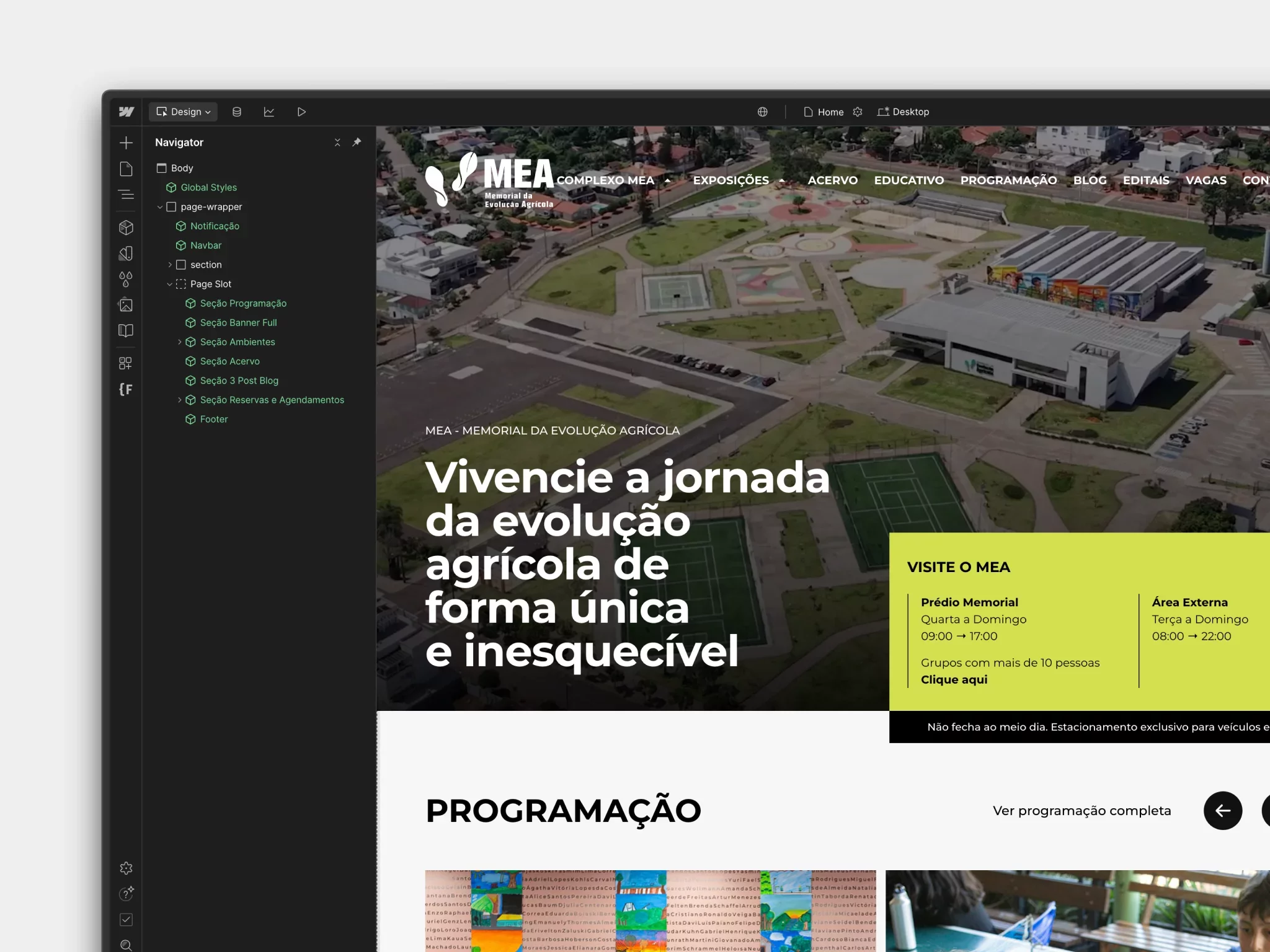 Launch of the new MEA website: a digital milestone for Latin America's largest memorial

Made with No-Code
This blog was developed in no-code: fast, flexible and scalable. Want to see it in practice?
I want to know
 Vamos falar sobre seu projeto?